How to Size a CNG Daughter Station: Demand, Peak Hours and Trailer Supply
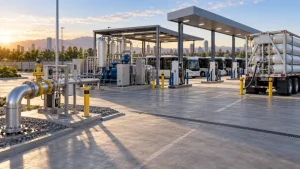
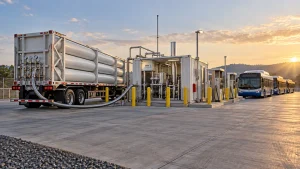
A CNG daughter station must meet the busiest fueling hours and receive enough usable gas from trailers. Use this step-by-step planning guide before requesting a quote.

A CNG daughter station must meet the busiest fueling hours and receive enough usable gas from trailers. Use this step-by-step planning guide before requesting a quote.
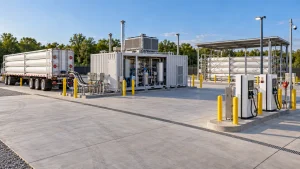
Vehicle count alone cannot size a fleet CNG station. Map fuel per vehicle and arrival times, then test compressor, storage and dispenser performance in the busiest window.

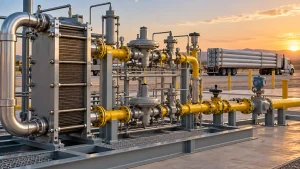
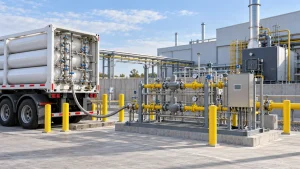
Size a trailer-fed industrial CNG regulation skid with a load profile, a realistic inlet-pressure range and a defined outlet duty. Use the worked example and RFQ table to compare proposals.

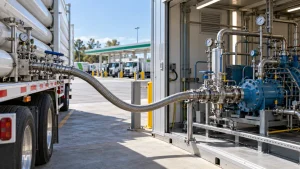
A complete CNG daughter station scope depends on trailer unloading, gas boosting, storage, dispensing and site interfaces. Use this checklist to compare equipment proposals.

What should an industrial CNG regulation and metering skid include? Review inlet, conditioning, pressure control, protection, metering and site supply boundaries.

A fleet CNG station can use pipeline gas or trailer-delivered CNG. Compare demand, pressure, logistics, site works and continuity before choosing.

Trailer pressure falls during unloading. A daughter station compressor must be evaluated across its suction-pressure range, not from one headline capacity.

A large pressure drop does not automatically require two regulating stages. Compare control, temperature, capacity and protection across the trailer unloading cycle.

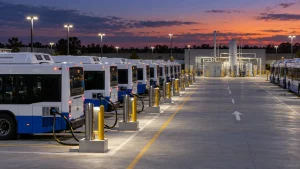
A bus depot CNG station should follow route returns and morning dispatch. Compare overnight time-fill, fast-fill and combination layouts with a realistic fueling schedule.

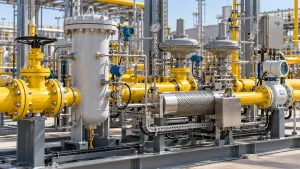
A CNG pressure regulation and metering skid receives high-pressure compressed natural gas, reduces and controls its pressure, measures the delivered gas, and supplies it at
We’ll reply within 1 business day. Please check for emails from an ‘@gmail.com‘ address.